


For a lot of people Carp fishing is more than just a relaxing way to spend it’s their passion and an art form. To be a successful carp fisherman requires skill, patience, and a solid understanding of how the fish behaves. One of the most crucial factors that can make or break your session is how, when, and how often you bait up.
At The Tackle Temple, we understand the importance of using the right carp bait at the right time. We supply premium fishing equipment and bait from the industry’s leading manufacturers to help you fish smarter, not harder. So let’s take an in depth look at a couple of the most frequently asked questions by carp anglers: what is the best bait to use and how often should you bait up when carp fishing?
Understanding Carp Behaviour
Carp by their very nature are highly intelligent and cautious fish with acute senses of smell and taste. This allows them to detect even the slightest scent in the water, which means that bait quality and presentation are crucial. Their feeding patterns vary depending on the time of year, water temperature, and how many anglers are fishing that stretch of water at any given time. Understanding how carp behave where you fish is essential if you want to develop a successful baiting strategy.
Carp often move in groups, and as a result when one fish starts feeding, others are likely to follow. But if you overfeed the swim or don’t bait frequently enough, you could risk pushing them away or missing your window of opportunity.
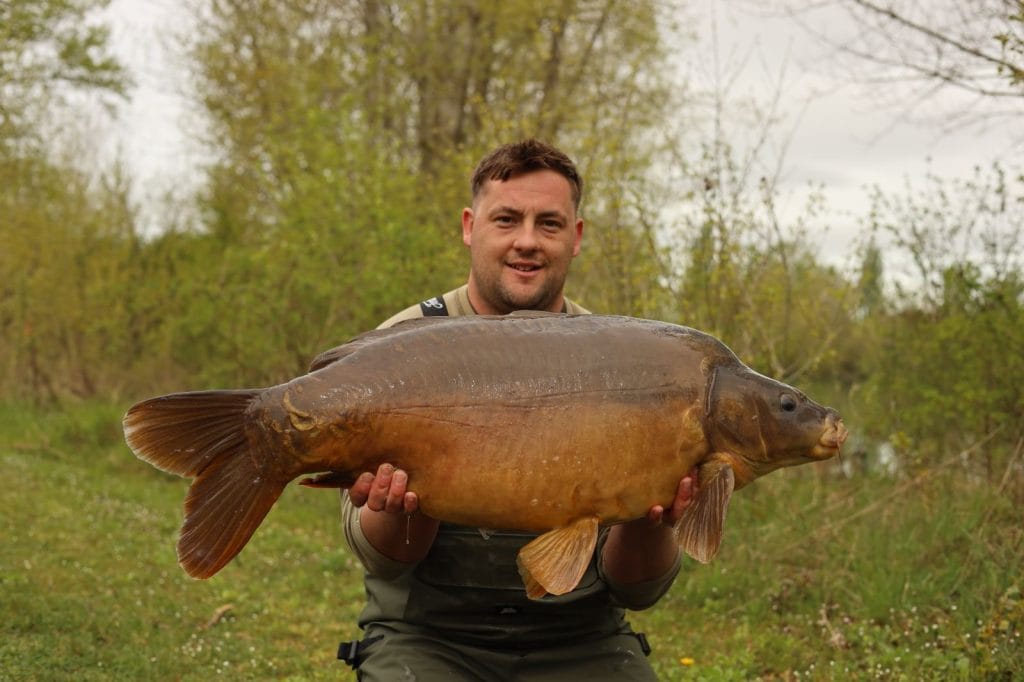
How Often Should You Bait Up?
There is no definitive answer that works in every single situation , but we have listed some general guidelines below which should help you make the right decision:
Short Sessions (between 2 and 4 hours)
For quick day sessions, less is often more. Begin by introducing a small handful of bait, ideally a mix of groundbait, crushed boilies, and sweetcorn. Then top up a little and often say every 30 to 60 minutes if you’re seeing signs of fish activity.
If you want to keep your offering tightly packed around the hook a good idea is to use a method feeder or PVA bag filled with attractive bait. This creates a concentrated hotspot and helps reduce the chances of overfeeding.
Day Long Sessions (between 4 and 12 hours)
If you’re fishing all day, it’s advisable to start with a moderate amount of bait to attract the carp. Your goal should be to entice the fish without overwhelming them. After your initial feed, bait up every 2–3 hours depending on how the swim is reacting.
If you’re getting bites, keep the bait going in at regular intervals to maintain the feeding response. If the action slows, take a minute to observe what’s happening. It may be that you need to change your hookbait or baiting pattern.
Overnight and Multi-Day Sessions
For longer sessions, a structured baiting approach is essential. Many successful anglers pre-bait an area the night before or early morning, then top up once or twice daily during their session. If fish are regularly feeding, light top-ups every few hours can keep them interested.
Using a spod or spomb to deliver a mix of particles, pellets, and liquids can often help create an irresistible feeding area. At The Tackle Temple, we stock a wide range of baiting tools and premium bait mixes designed to keep carp grubbing around your swim all night long.
The Importance of Choosing the Right Bait
At the heart of every baiting strategy is, of course, the bait itself. Here’s a breakdown of some top choices and how to use them effectively:
Natural Baits
Sweetcorn: This vibrant, sweet-smelling bait is a carp favourite. Its visual appeal and high sugar content draw carp in quickly, especially in clear water.
Boilies: Available in a variety of flavours, sizes, and buoyancies, boilies are ideal for long sessions. Their slow breakdown keeps fish feeding over extended periods.
Worms: Whether live or chopped, worms offer a strong scent and natural movement. Excellent for pressured venues where carp have seen everything else.
Artificial Baits
Pop-Ups: These floating boilies are perfect for presenting just above weed or silt. Pair with a bright colour and strong scent to tempt wary carp.
Plastic Imitations: From fake corn to rubber maggots, these reusable baits are great for tipping off a boilie or creating a subtle but unique presentation.
Flies and Lures: While not as common for carp, in the right circumstances, fly-fishing or subtle lure presentations can bring surprise success.
Tips for Successful Baiting
Here are a few extra tips from our experts at The Tackle Temple to help you master your baiting technique:
Pre-Baiting Pays Off: If it is allowed by your venue, pre-bait your swim the day before. This will help build confidence and can draw them in even when you’ve not actually begun fishing.
Stay Fresh: Always use fresh bait. Carp are picky eaters, stale bait is liokely to do much more harm than good.
Use Quality Gear: Accuracy matters. Use reliable baiting tools like throwing sticks, catapults, or spods to get your bait exactly where you need it.
Watch the Water: Let the fish guide your baiting routine. Bubbling, tail patterns, or sudden movement are all signs carp are feeding.
Don’t Overdo It: Especially in colder weather or pressured venues, too much bait can shut down a swim. Start small and increase gradually.
Your Success Starts at The Tackle Temple
Whether you’re a seasoned carp angler or just starting out, having the right bait, tools, and advice makes all the difference. At The Tackle Temple, we stock only top-quality fishing gear and bait from trusted manufacturers, ensuring you have everything you need for a successful session.
From boilies to baiting tools, and rods to rigs, we’re here to support every cast you make. If you’re unsure what baiting strategy to use at your chosen venue, just get in touch – our knowledgeable team is happy to help.
Tight lines, and remember, smart baiting equals better results. Let The Tackle Temple help you land your next personal best!
FAQ’s
Q: Can I use homemade baits for carp fishing?
A: Absolutely! Homemade baits can be incredibly effective and give you an edge on waters where fish are used to commercial offerings. Many anglers create their own boilies, dough balls, or paste baits using ingredients like fishmeal, sweetcorn, semolina, bread, and flavorings such as vanilla or garlic. The beauty of homemade bait is the ability to customise it to match your fishing conditions and target fish. You can adjust textures, flavours, and even colours to better suit the carp in your local venue. Just make sure to test your recipes in small batches first and check fishery rules about bait types.
Q: Is there a specific time of day that’s best for carp fishing?
A: Carp are generally most active during low-light periods, particularly around dawn and dusk – often referred to as the “golden hours.” During these times, water temperatures are stable, and carp feel safer venturing out to feed. However, this doesn’t mean you can’t catch carp at other times of the day. In summer, they may feed more actively throughout the day, especially in deeper waters, while in winter, midday warmth can trigger brief feeding windows. Observing the behaviour of carp at your specific venue over time is key to identifying the most productive times.
Q: What’s the role of scents in carp fishing bait?
A: Scents – or attractants – are a critical component of baiting, especially since carp rely heavily on their sense of smell and taste to locate food. Many successful anglers use liquid flavourings, glugs, dips, or powders to boost the scent profile of their bait. This creates a powerful trail in the water that carp can follow to your hookbait. In murky or pressured waters, strong-smelling additives can be the difference between a blank and a successful session. Just be cautious not to overdo it; a subtle, natural scent is often more effective than overwhelming artificial aromas.
Q: Are there any alternative baits that carp love besides boilies and corn?
A: Yes, carp are opportunistic feeders and are known to enjoy a variety of baits beyond the usual boilies and sweetcorn. Some effective alternatives include:
Hempseed: Known for its oily, nutty aroma, it can keep carp feeding for long periods.
Tiger Nuts: Highly attractive to big carp, but should be used in moderation and properly prepared.
Maize: A larger, tougher version of sweetcorn that’s great for deterring nuisance fish.
Bread: Excellent surface bait, especially during warm weather.
Luncheon Meat: Soft, meaty, and flavourful – irresistible when cubed and hair-rigged.
Dog Biscuits and Floating Pellets: Perfect for surface fishing on calm days.
Using these alternative baits can give you an edge on waters where carp have seen it all.
Q: How can I handle carp safely before releasing them?
A: Safe fish handling is essential to protect the health and sustainability of carp populations. Always use a wet landing net and unhooking mat to minimise stress and avoid damage to the fish’s protective slime coating. Wet your hands before touching the carp and keep handling to an absolute minimum. If you’re taking photos, support the fish properly over the mat and avoid standing up with it. Use barbless or micro-barbed hooks to make unhooking quicker and less harmful, and always return the carp gently to the water, ensuring it has fully recovered before releasing.
Q: Can I catch carp in the winter months?
A: Yes, you can still catch carp in winter, although it requires more patience and a change in strategy. As water temperatures drop, carp metabolism slows, and their feeding windows become shorter. Smaller, high-attract baits like single pop-ups, bright wafters, or glugged hookbaits are often more effective than spreading large amounts of bait. Focus on deeper areas of the lake where carp may be holding up and fish during the warmest part of the day when they’re most likely to feed. It’s also worth noting that clear, crisp winter days can often produce some of the biggest fish.
Q: How much bait should I use at the start of a session?
A: The amount of bait you introduce at the start depends on the length of your session, the conditions, and how active the carp are. For short sessions (under 4 hours), a small handful of bait around your hook is often enough to draw fish in without overfeeding them. For longer day or overnight sessions, you can begin with a moderate spread of bait using a spod, spomb, or bait boat, especially if you’re targeting larger groups of carp. Always monitor the activity in your swim and adjust your baiting accordingly. When in doubt, start with less and top up gradually based on the response.
Q: What’s the best way to introduce bait into my swim?
A: There are several methods to introduce bait depending on your location, distance, and weather. For short-range work, a catapult or throwing stick is ideal for boilies or pellets. For long-range baiting or larger quantities, spods and spombs are extremely effective, especially when paired with a heavy-duty spod rod. PVA bags and mesh are great for targeted baiting right around your hookbait, perfect for clear patches or weed. If you’re using particles or groundbait, bait scoops and boats can also help deliver a controlled spread. The Tackle Temple stocks all the tools you need for precise and effective bait delivery.
Q: Do I need different baiting strategies for day vs night fishing?
A: Yes, baiting strategies often differ between day and night sessions. During the day, carp may move more and respond well to spread-out baiting to encourage exploration. At night, carp often patrol specific areas, so tighter baiting – using a small baited area or concentrated pile – can be more effective. Many anglers rely on slow-releasing bait like boilies and pellets at night to keep carp interested without constantly rebaiting. Fluoro pop-ups or bright hookbaits can also stand out better in low light. Monitoring your results and adapting based on time and fish movement is key to success.


